A synonym for heirloom is a word or phrase that describes a valuable object passed down through generations. Common alternatives include family treasure, keepsake, family relic, inherited possession, and family memento. The best choice depends on the item’s history, emotional value, and cultural significance.
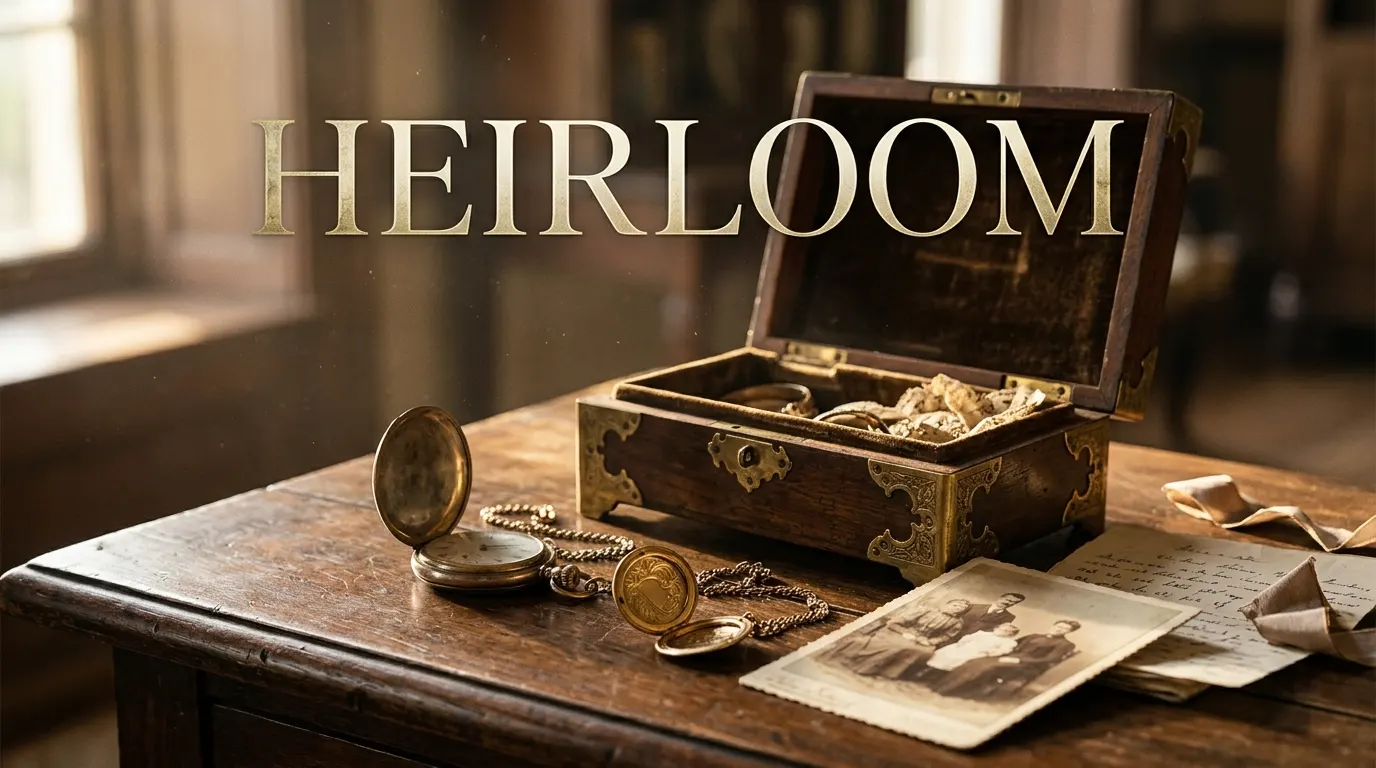
Imagine finding your grandmother’s gold necklace in an old wooden box. It is more than jewelry. It carries family memories and a story worth preserving. That is what makes an heirloom special.
The phrase synonym for heirloom is useful when you want to describe treasured possessions without repeating the same word. Different alternatives can highlight sentimental value, family history, or inheritance.
Students can use these words in essays and assignments. Bloggers and content writers can create richer descriptions, while everyday English speakers can express family traditions more naturally.
Learning the right alternatives also helps you describe antiques, inherited jewelry, old photographs, and meaningful objects with greater accuracy. A well-chosen word can make a simple story feel more personal.
What Does “Synonym for Heirloom” Really Mean?
An heirloom is an object that has been passed down through a family or generation. It may be valuable because of its age, history, craftsmanship, or emotional significance.
A synonym for heirloom is a word or phrase with a similar meaning. For example, family treasure emphasizes emotional value, while antique focuses more on an object’s age and historical character.
The noun heirloom usually refers to a physical object. Common examples include jewelry, watches, furniture, paintings, quilts, books, and family photographs.
Native English speakers often use the word when discussing inheritance, family traditions, historical objects, and treasured possessions. It frequently suggests a connection between the past and the present.
Connotative Meaning
(Connotation is the emotional feeling or association that a word carries beyond its basic definition.)
- Positive tone: A family treasure suggests love, pride, and lasting memories.
- Negative tone: A family relic can sometimes suggest something outdated or no longer useful, depending on context.
- Neutral tone: An inherited possession describes an object received from an earlier generation without expressing a strong emotion.
The word heirloom itself generally has a positive or respectful tone. However, the circumstances surrounding an inherited object can change how a speaker describes it.
Etymology
The word heirloom developed from the words heir and loom. Historically, loom referred to a tool or piece of property, and the combined word came to describe property that passed to an heir.
Its development reflects the importance of family inheritance and the transfer of possessions between generations.
Historical Development
- Old English (450–1100): The modern compound heirloom was not established in its present form. The concept of inherited property existed, and Old English used related vocabulary for heirs, inheritance, and possessions.
- Middle English (1100–1500): The word developed through the combination of heir and loom, with loom carrying the sense of a tool or possession.
- Modern English (1500–present): Heirloom became established as a term for objects handed down through families. Today, it commonly refers to items with historical, cultural, or sentimental importance.
Pronunciation (US and UK IPA)
- US: /ˈerˌluːm/
- UK: /ˈeə.luːm/
Syllables
heir-loom — 2 syllables
Affixation Pattern
- Root or base: heir + loom
- Prefix: None
- Suffix: None in the usual modern analysis
- Word formation: Compound noun
The word is formed by combining two elements rather than adding a conventional prefix or suffix.
Synonyms List:
The following alternatives describe inherited objects, treasured possessions, and items connected with family history. Some are close synonyms, while others work best in specific situations.
Family Treasure (Noun Phrase) — US /ˈfæməli ˈtreʒər/ | UK /ˈfæməli ˈtreʒə/
Meaning: An object valued by a family for its sentimental, historical, or personal significance.
Tone/Register: Warm, positive, conversational.
Example:
Grandmother’s locket is a family treasure.
We keep the old photograph as a family treasure.
Keepsake (Noun) — US /ˈkiːpˌseɪk/ | UK /ˈkiːpˌseɪk/
Meaning: An object kept to remember a person, experience, or meaningful event.
Tone/Register: Sentimental, informal to neutral.
Example:
Dad gave me his watch as a keepsake.
She saved the handwritten letter as a keepsake.
Family Relic (Noun Phrase) — US /ˈfæməli ˈrelɪk/ | UK /ˈfæməli ˈrelɪk/
Meaning: An old object preserved because of its connection to a family’s past.
Tone/Register: Historical, descriptive, sometimes slightly old-fashioned.
Example:
The family relic dates back to the nineteenth century.
They displayed an old family relic in the hallway.
Family Memento (Noun Phrase) — US /ˈfæməli məˈmentoʊ/ | UK /ˈfæməli məˈmentəʊ/
Meaning: An object that preserves memories of relatives or important family events.
Tone/Register: Warm, neutral, sentimental.
Example:
She carried a family memento to her new home.
The framed letter became a family memento.
Inherited Possession (Noun Phrase) — US /ɪnˈherɪtɪd pəˈzeʃən/ | UK /ɪnˈherɪtɪd pəˈzeʃən/
Meaning: An item received from someone who has died or transferred property through inheritance.
Tone/Register: Neutral, formal, legal or descriptive.
Example:
The silver bowl was an inherited possession.
He catalogued every inherited possession after the estate was settled.
Family Heirloom (Noun Phrase) — US /ˈfæməli ˈerˌluːm/ | UK /ˈfæməli ˈeəˌluːm/
Meaning: A valuable or meaningful object passed from one generation of a family to another.
Tone/Register: Traditional, respectful, sentimental.
Example:
Her wedding ring is a cherished family heirloom.
The family heirloom has survived several generations.
Ancestral Possession (Noun Phrase) — US /ænˈsestrəl pəˈzeʃən/ | UK /ænˈsestrəl pəˈzeʃən/
Meaning: An object associated with one’s ancestors and preserved as part of family history.
Tone/Register: Formal, historical.
Example:
The ancestral possession was displayed during the family reunion.
Researchers documented the family’s ancestral possessions.
Inheritance (Noun) — US /ɪnˈherɪtəns/ | UK /ɪnˈherɪtəns/
Meaning: Money, property, or possessions received from someone after their death.
Tone/Register: Neutral, formal, legal.
Example:
The painting formed part of her inheritance.
He used an old family letter to document the inheritance.
Usage note: Inheritance often refers to what someone receives rather than to one particular keepsake.
Legacy (Noun) — US /ˈleɡəsi/ | UK /ˈleɡəsi/
Meaning: Something handed down from the past, including possessions, values, achievements, or traditions.
Tone/Register: Positive, reflective, formal.
Example:
The grandfather’s watch represents a lasting family legacy.
Her grandmother’s recipes are part of her legacy.
Memento (Noun) — US /məˈmentoʊ/ | UK /məˈmentəʊ/
Meaning: An object kept as a reminder of a person, place, or experience.
Tone/Register: Neutral, sentimental, slightly formal.
Example:
He kept the old compass as a memento of his grandfather.
The photograph served as a memento of their childhood home.
Memorabilia (Noun) — US /ˌmemərəˈbɪliə/ | UK /ˌmemərəˈbɪliə/
Meaning: Objects collected or preserved because they relate to memorable people, events, or periods.
Tone/Register: Neutral, cultural, collectible.
Example:
The family stored letters and photographs among its memorabilia.
Their historical memorabilia included an old school certificate.
Usage note: Memorabilia usually refers to a collection rather than one inherited object.
Antique (Noun) — US /ænˈtiːk/ | UK /ænˈtiːk/
Meaning: An old object valued for its age, craftsmanship, rarity, or historical interest.
Tone/Register: Neutral, descriptive, historical.
Example:
An antique clock stood beside the fireplace.
The cabinet was an antique from the family’s former home.
Usage note: An antique is not automatically an heirloom; it may have been purchased recently.
Relic (Noun) — US /ˈrelɪk/ | UK /ˈrelɪk/
Meaning: An object that survives from an earlier period and holds historical, cultural, or personal significance.
Tone/Register: Historical, formal, sometimes negative.
Example:
The old medal was a relic of his military service.
She discovered a family relic inside a wooden chest.
Heritage Object (Noun Phrase) — US /ˈherɪtɪdʒ ˈɑːbdʒɪkt/ | UK /ˈherɪtɪdʒ ˈɒbdʒɪkt/
Meaning: An object preserved because it represents a community’s, family’s, or culture’s heritage.
Tone/Register: Formal, educational, cultural.
Example:
The museum carefully documented each heritage object.
The embroidered cloth is an important heritage object.
Cherished Possession (Noun Phrase) — US /ˈtʃerɪʃt pəˈzeʃən/ | UK /ˈtʃerɪʃt pəˈzeʃən/
Meaning: An item someone deeply values because of its emotional or personal importance.
Tone/Register: Warm, positive, descriptive.
Example:
Her mother’s recipe book remains a cherished possession.
He treats the old pocket watch as a cherished possession.
Treasured Object (Noun Phrase) — US /ˈtreʒərd ˈɑːbdʒɪkt/ | UK /ˈtreʒəd ˈɒbdʒɪkt/
Meaning: An object regarded as especially valuable for personal, emotional, or historical reasons.
Tone/Register: Positive, expressive, neutral to formal.
Example:
The handmade quilt is a treasured object in our home.
She wrapped the treasured object in soft cloth.
Family Artifact (Noun Phrase) — US /ˈfæməli ˈɑːrtɪfækt/ | UK /ˈfæməli ˈɑːtɪfækt/
Meaning: An object connected with a family’s history, traditions, or earlier generations.
Tone/Register: Historical, academic, descriptive.
Example:
The old diary became an important family artifact.
They donated a family artifact to the local archive.
Heirloom Piece (Noun Phrase) — US /ˈerˌluːm piːs/ | UK /ˈeəˌluːm piːs/
Meaning: An individual item preserved and passed down because of its family significance.
Tone/Register: Neutral, descriptive.
Example:
Each heirloom piece has a story behind it.
She wore an heirloom piece on her wedding day.
Ancestral Keepsake (Noun Phrase) — US /ænˈsestrəl ˈkiːpˌseɪk/ | UK /ænˈsestrəl ˈkiːpˌseɪk/
Meaning: A personal object kept to remember an ancestor or preserve a connection with earlier generations.
Tone/Register: Sentimental, historical.
Example:
The pocket watch was an ancestral keepsake.
He placed the ancestral keepsake beside a family photograph.
Family Memento Piece (Noun Phrase) — US /ˈfæməli məˈmentoʊ piːs/ | UK /ˈfæməli məˈmentəʊ piːs/
Meaning: An individual object retained as a reminder of a relative or shared family memory.
Tone/Register: Descriptive, sentimental.
Example:
The small ceramic bowl was a family memento piece.
She wrapped the memento piece before moving abroad.
Usage note: This is an understandable descriptive phrase, not an established dictionary synonym. Family memento is more natural in most everyday contexts.
Inherited Treasure (Noun Phrase) — US /ɪnˈherɪtɪd ˈtreʒər/ | UK /ɪnˈherɪtɪd ˈtreʒə/
Meaning: An inherited object that holds exceptional emotional or material value.
Tone/Register: Warm, positive, expressive.
Example:
The gold pendant was her most precious inherited treasure.
He protected the inherited treasure from damage.
Heirloom Jewelry (Noun Phrase) — US /ˈerˌluːm ˈdʒuːəlri/ | UK /ˈeəˌluːm ˈdʒuːəlri/
Meaning: Jewelry passed down through generations and valued for its family history.
Tone/Register: Traditional, sentimental, descriptive.
Example:
She wore heirloom jewelry at the family wedding.
The jeweler examined the heirloom jewelry with care.
Usage note: This term is specific to jewelry rather than inherited objects in general.
Family Artifact Collection (Noun Phrase) — US /ˈfæməli ˈɑːrtɪfækt kəˈlekʃən/ | UK /ˈfæməli ˈɑːtɪfækt kəˈlekʃən/
Meaning: A group of objects preserved because they document a family’s history.
Tone/Register: Academic, descriptive, historical.
Example:
The archive organized the family artifact collection by decade.
Their family artifact collection included letters, medals, and photographs.
Ancestral Relic (Noun Phrase) — US /ænˈsestrəl ˈrelɪk/ | UK /ænˈsestrəl ˈrelɪk/
Meaning: An object from an earlier generation that carries historical or ancestral importance.
Tone/Register: Formal, historical, sometimes solemn.
Example:
The ancestral relic was displayed during the anniversary celebration.
Historians studied the ancestral relic to understand the family’s past.
Inherited Memento (Noun Phrase) — US /ɪnˈherɪtɪd məˈmentoʊ/ | UK /ɪnˈherɪtɪd məˈmentəʊ/
Meaning: An object received through inheritance and kept as a reminder of someone or something meaningful.
Tone/Register: Neutral, sentimental.
Example:
She treasured the inherited memento from her aunt.
The inherited memento reminded him of summers spent in the countryside.
Traditional Possession (Noun Phrase) — US /trəˈdɪʃənəl pəˈzeʃən/ | UK /trəˈdɪʃənəl pəˈzeʃən/
Meaning: An object retained because it is associated with a family’s long-standing customs or traditions.
Tone/Register: Neutral, cultural, descriptive.
Example:
The ceremonial bowl is a traditional possession in their family.
They bring the traditional possession to every major celebration.
Historical Keepsake (Noun Phrase) — US /hɪˈstɔːrɪkəl ˈkiːpˌseɪk/ | UK /hɪˈstɒrɪkəl ˈkiːpˌseɪk/
Meaning: An object kept for its connection to a significant event or period in the past.
Tone/Register: Historical, descriptive, sentimental.
Example:
The ticket became a historical keepsake after the event.
She donated the historical keepsake to the school museum.
Family Memorabilia (Noun Phrase) — US /ˈfæməli ˌmemərəˈbɪliə/ | UK /ˈfæməli ˌmemərəˈbɪliə/
Meaning: A collection of objects that preserves memories and stories connected to a family.
Tone/Register: Neutral, cultural, conversational.
Example:
The attic contained boxes of family memorabilia.
They sorted the family memorabilia before moving house.
Ancestral Heirloom (Noun Phrase) — US /ænˈsestrəl ˈerˌluːm/ | UK /ænˈsestrəl ˈeəˌluːm/
Meaning: An inherited object associated with one’s ancestors and preserved across generations.
Tone/Register: Formal, traditional, respectful.
Example:
The ancestral heirloom had been passed down for more than a century.
The family recorded the ancestral heirloom’s history in a notebook.
Generational Treasure (Noun Phrase) — US /ˌdʒenəˈreɪʃənəl ˈtreʒər/ | UK /ˌdʒenəˈreɪʃənəl ˈtreʒə/
Meaning: An object valued and preserved as it passes between successive generations.
Tone/Register: Positive, expressive, reflective.
Example:
The handmade quilt became a generational treasure.
Their old family home holds a generational treasure in every room.
Usage note: This is a descriptive expression rather than a fixed dictionary synonym. Family heirloom or family treasure is usually more idiomatic.
Heirloom Keepsake (Noun Phrase) — US /ˈerˌluːm ˈkiːpˌseɪk/ | UK /ˈeəˌluːm ˈkiːpˌseɪk/
Meaning: A keepsake passed down through generations and preserved for its emotional significance.
Tone/Register: Warm, sentimental, descriptive.
Example:
The embroidered handkerchief was an heirloom keepsake from her great-grandmother.
He placed the heirloom keepsake in a protective box.
Inherited Artifact (Noun Phrase) — US /ɪnˈherɪtɪd ˈɑːrtɪfækt/ | UK /ɪnˈherɪtɪd ˈɑːtɪfækt/
Meaning: An object received through inheritance that holds historical, cultural, or personal significance.
Tone/Register: Formal, historical, descriptive.
Example:
The inherited artifact revealed an important detail about our family history.
She carefully preserved the inherited artifact in a wooden cabinet.
Family Relic (Noun Phrase) — US /ˈfæməli ˈrelɪk/ | UK /ˈfæməli ˈrelɪk/
Meaning: An old possession preserved because of its connection to earlier generations of a family.
Tone/Register: Traditional, historical, sentimental.
Example:
My grandfather’s walking stick remains a treasured family relic.
They discovered a family relic while cleaning the attic.
Ancestral Artifact (Noun Phrase) — US /ænˈsestrəl ˈɑːrtɪfækt/ | UK /ænˈsestrəl ˈɑːtɪfækt/
Meaning: An object connected to one’s ancestors and preserved as evidence of their lives or traditions.
Tone/Register: Formal, academic, historical.
Example:
The ancestral artifact helped researchers understand the family’s cultural background.
Our relatives donated an ancestral artifact to the local museum.
Inherited Memento (Noun Phrase) — US /ɪnˈherɪtɪd məˈmentoʊ/ | UK /ɪnˈherɪtɪd məˈmentəʊ/
Meaning: An object received from an earlier generation and kept to remember a loved one.
Tone/Register: Sentimental, neutral.
Example:
She kept the inherited memento beside her grandmother’s photograph.
The silver pendant became an inherited memento after his aunt passed away.
Family Relic Piece (Noun Phrase) — US /ˈfæməli ˈrelɪk piːs/ | UK /ˈfæməli ˈrelɪk piːs/
Meaning: An individual old object associated with a family’s history.
Tone/Register: Descriptive, historical.
Example:
The family relic piece had remained in the same house for decades.
He photographed the old family relic piece for his historical records.
Usage note: This phrase is understandable but uncommon. Family relic is more natural in everyday English.
Ancestral Keepsake (Noun Phrase) — US /ænˈsestrəl ˈkiːpˌseɪk/ | UK /ænˈsestrəl ˈkiːpˌseɪk/
Meaning: An object preserved to remember an ancestor or maintain a connection with earlier generations.
Tone/Register: Sentimental, traditional.
Example:
The embroidered cloth was an ancestral keepsake from her great-grandmother.
He displayed the ancestral keepsake during the family reunion.
Inherited Memento Object (Noun Phrase) — US /ɪnˈherɪtɪd məˈmentoʊ ˈɑːbdʒɪkt/ | UK /ɪnˈherɪtɪd məˈmentəʊ ˈɒbdʒɪkt/
Meaning: A physical object inherited from another person and retained for its personal or historical meaning.
Tone/Register: Formal, descriptive.
Example:
The inherited memento object reminded her of her family’s journey.
He placed the inherited memento object in a display case.
Usage note: This is a descriptive phrase rather than an established synonym. Inherited keepsake is usually more natural.
Family Legacy Item (Noun Phrase) — US /ˈfæməli ˈleɡəsi ˈaɪtəm/ | UK /ˈfæməli ˈleɡəsi ˈaɪtəm/
Meaning: A possession associated with a family’s history and passed down as part of its legacy.
Tone/Register: Descriptive, formal.
Example:
The old writing desk is an important family legacy item.
They recorded the story behind every family legacy item.
Usage note: This phrase is understandable, but family heirloom or inherited possession is more idiomatic.
Ancestral Possession (Noun Phrase) — US /ænˈsestrəl pəˈzeʃən/ | UK /ænˈsestrəl pəˈzeʃən/
Meaning: An object belonging to an ancestor that remains significant to later generations.
Tone/Register: Formal, historical.
Example:
The ancestral possession had survived several changes of residence.
Researchers documented the ancestral possession before the exhibition opened.
Traditional Heirloom (Noun Phrase) — US /trəˈdɪʃənəl ˈerˌluːm/ | UK /trəˈdɪʃənəl ˈeəˌluːm/
Meaning: An inherited object that represents a family’s established customs or traditions.
Tone/Register: Traditional, respectful.
Example:
The ceremonial shawl is a traditional heirloom in their family.
She wore the traditional heirloom during the annual celebration.
Inherited Family Treasure (Noun Phrase) — US /ɪnˈherɪtɪd ˈfæməli ˈtreʒər/ | UK /ɪnˈherɪtɪd ˈfæməli ˈtreʒə/
Meaning: A possession received from an earlier generation and valued for its emotional or historical importance.
Tone/Register: Warm, sentimental.
Example:
The gold brooch became an inherited family treasure.
He protected the inherited family treasure from sunlight and moisture.
Historical Family Possession (Noun Phrase) — US /hɪˈstɔːrɪkəl ˈfæməli pəˈzeʃən/ | UK /hɪˈstɒrɪkəl ˈfæməli pəˈzeʃən/
Meaning: An object retained by a family because it documents or represents its past.
Tone/Register: Formal, historical.
Example:
The historical family possession appeared in several old photographs.
The family donated its historical possession to a regional archive.
Ancestral Memorabilia (Noun Phrase) — US /ænˈsestrəl ˌmemərəˈbɪliə/ | UK /ænˈsestrəl ˌmemərəˈbɪliə/
Meaning: Objects connected to ancestors that are preserved because of their historical or sentimental importance.
Tone/Register: Historical, descriptive.
Example:
The box contained ancestral memorabilia from three generations.
She organized the ancestral memorabilia into labeled folders.
Generational Keepsake (Noun Phrase) — US /ˌdʒenəˈreɪʃənəl ˈkiːpˌseɪk/ | UK /ˌdʒenəˈreɪʃənəl ˈkiːpˌseɪk/
Meaning: An object preserved as it passes from one generation to another.
Tone/Register: Warm, sentimental.
Example:
The handmade blanket became a generational keepsake.
Each child received the generational keepsake on their eighteenth birthday.
Usage note: This is a descriptive expression rather than a fixed dictionary synonym. Family keepsake is more common.
Ancestral Inheritance (Noun Phrase) — US /ænˈsestrəl ɪnˈherɪtəns/ | UK /ænˈsestrəl ɪnˈherɪtəns/
Meaning: Property or possessions received from ancestors and preserved as part of a family’s history.
Tone/Register: Formal, historical.
Example:
The antique desk formed part of their ancestral inheritance.
The family documented its ancestral inheritance in a historical record.
Usage note: This phrase can refer to an entire inheritance rather than one individual heirloom.
Inherited Family Artifact (Noun Phrase) — US /ɪnˈherɪtɪd ˈfæməli ˈɑːrtɪfækt/ | UK /ɪnˈherɪtɪd ˈfæməli ˈɑːtɪfækt/
Meaning: An object passed down through a family that provides a connection to its history.
Tone/Register: Academic, descriptive.
Example:
The inherited family artifact carried the initials of an earlier relative.
They photographed the inherited family artifact for their records.
Historical Keepsake Object (Noun Phrase) — US /hɪˈstɔːrɪkəl ˈkiːpˌseɪk ˈɑːbdʒɪkt/ | UK /hɪˈstɒrɪkəl ˈkiːpˌseɪk ˈɒbdʒɪkt/
Meaning: An object kept to remember a person or event from an earlier period.
Tone/Register: Descriptive, historical.
Example:
The old medal served as a historical keepsake object.
She wrote a short note explaining the object’s historical importance.
Usage note: This combination is not a standard synonym. Historical keepsake is clearer and more natural.
Family Inheritance Piece (Noun Phrase) — US /ˈfæməli ɪnˈherɪtəns piːs/ | UK /ˈfæməli ɪnˈherɪtəns piːs/
Meaning: An individual possession received as part of a family’s inheritance.
Tone/Register: Neutral, descriptive.
Example:
The grandfather clock was an important family inheritance piece.
They repaired the family inheritance piece before displaying it.
Usage note: This is not a common fixed expression. Prefer inherited possession or family heirloom.
Ancestral Treasure (Noun Phrase) — US /ænˈsestrəl ˈtreʒər/ | UK /ænˈsestrəl ˈtreʒə/
Meaning: An object connected to ancestors and treasured by later generations.
Tone/Register: Positive, respectful, sentimental.
Example:
The carved wooden chest is an ancestral treasure.
Her family carefully preserved the ancestral treasure for future generations.
Inherited Ornament (Noun Phrase) — US /ɪnˈherɪtɪd ˈɔːrnəmənt/ | UK /ɪnˈherɪtɪd ˈɔːnəmənt/
Meaning: A decorative object received from an earlier generation and kept for its beauty or family significance.
Tone/Register: Descriptive, traditional.
Example:
The inherited ornament decorated their dining room every winter.
She wrapped the inherited ornament in tissue paper after the celebration.
Family Memento Collection (Noun Phrase) — US /ˈfæməli məˈmentoʊ kəˈlekʃən/ | UK /ˈfæməli məˈmentəʊ kəˈlekʃən/
Meaning: A group of objects preserved to remember relatives, experiences, or important family events.
Tone/Register: Neutral, sentimental.
Example:
Their family memento collection included postcards and handwritten notes.
She added an old photograph to the family memento collection.
Ancestral Belonging (Noun Phrase) — US /ænˈsestrəl bɪˈlɔːŋɪŋ/ | UK /ænˈsestrəl bɪˈlɒŋɪŋ/
Meaning: An object that belonged to an ancestor and remains connected to family history.
Tone/Register: Neutral, historical.
Example:
The silver cup was an ancestral belonging that everyone recognized.
He researched the origins of the ancestral belonging.
Usage note: The phrase is understandable but uncommon. Ancestral possession is more natural in formal writing.
Inherited Family Memento (Noun Phrase) — US /ɪnˈherɪtɪd ˈfæməli məˈmentoʊ/ | UK /ɪnˈherɪtɪd ˈfæməli məˈmentəʊ/
Meaning: A family keepsake received from an earlier generation and retained for its sentimental value.
Tone/Register: Warm, sentimental.
Example:
The handwritten recipe became an inherited family memento.
She kept the inherited family memento in a box beside her bed.
Generational Artifact (Noun Phrase) — US /ˌdʒenəˈreɪʃənəl ˈɑːrtɪfækt/ | UK /ˌdʒenəˈreɪʃənəl ˈɑːtɪfækt/
Meaning: An object that represents the history or experiences of multiple generations.
Tone/Register: Academic, historical.
Example:
The old sewing machine became a generational artifact in the family archive.
Researchers examined the generational artifact to understand changes in household life.
Usage note: This is a descriptive term rather than an established everyday synonym. Family artifact is usually more natural.
Ancestral Family Treasure (Noun Phrase) — US /ænˈsestrəl ˈfæməli ˈtreʒər/ | UK /ænˈsestrəl ˈfæməli ˈtreʒə/
Meaning: A valued object preserved because of its connection to ancestors and family traditions.
Tone/Register: Positive, traditional, sentimental.
Example:
The embroidered tapestry remained an ancestral family treasure.
They gathered to hear the story behind the ancestral family treasure.
Synonyms for Heirloom by Tone
Choosing the right alternative depends on what you want readers to feel. The same object can sound sentimental, historical, or simply inherited depending on the word you use.
Positive Synonyms
Use these expressions when emphasizing affection, pride, and personal value.
- Family treasure: Highlights emotional importance.
- Keepsake: Emphasizes personal memories.
- Cherished possession: Shows deep affection.
- Treasured object: Suggests exceptional personal value.
- Inherited treasure: Combines inheritance with appreciation.
- Generational treasure: Emphasizes a lasting connection between generations.
Neutral Synonyms
These alternatives describe an object or its history without necessarily expressing strong feelings.
- Inherited possession: Focuses on how the item was received.
- Inheritance: Refers to property or possessions passed on.
- Family memento: Identifies an object connected to family memories.
- Antique: Emphasizes age and historical or collectible value.
- Memorabilia: Refers to objects associated with people or events.
- Family artifact: Highlights historical or documentary importance.
Negative or Potentially Negative Synonyms
Some words can suggest age, obsolescence, or a lack of practical usefulness. Their effect depends on context.
- Relic: May imply something outdated, although it can also be respectful.
- Family relic: Can sound affectionate or suggest an old-fashioned possession.
- Ancestral relic: Often sounds solemn or historically distant.
These terms are not inherently negative. Use them carefully when you want to preserve a respectful tone.
Playful and Informal Alternatives
- Old family treasure: Friendly and conversational.
- Granny’s old keepsake: Informal and affectionate.
- Family hand-me-down: Casual; often suggests an item passed between relatives.
- Something passed down: Natural when you want to avoid a formal noun.
A hand-me-down is not always a valuable heirloom. It may simply be clothing, furniture, or another item passed to someone else.
Heirloom vs. Close Alternatives
The words below overlap in meaning, but they are not interchangeable in every sentence.
| Word | Main distinction | Best context |
|---|---|---|
| Heirloom | Passed down through generations | Family history and inheritance |
| Keepsake | Kept to remember someone or something | Personal memories and gifts |
| Antique | Valued partly for age or historical qualities | Collecting, design, and history |
| Relic | Survives from an earlier period | Historical or solemn descriptions |
| Legacy | Something handed down, tangible or intangible | Family values, achievements, and traditions |
For example, a grandmother’s ring may be an heirloom because it has passed through generations. A postcard from a memorable holiday is a keepsake, even if nobody inherited it.
An old chair purchased at an antique shop can be an antique without being a family heirloom. Meanwhile, a family’s tradition of helping neighbors can be part of its legacy, although it is not a physical object.
How Heirloom Synonyms Change by Context
Daily Conversation
In everyday speech, simple expressions such as family treasure, keepsake, and something passed down sound natural.
You might say, “This necklace belonged to my grandmother. It’s a family treasure.” This communicates affection without sounding overly formal.
Writing and Blogging
Bloggers can use family heirloom, ancestral keepsake, and cherished possession to describe meaningful objects without repeating the same phrase.
For example, a post about preserving old photographs could refer to them as family mementos. A story about a historic ring might use ancestral heirloom when its family history is important.
Professional and Academic Writing
Formal contexts benefit from precise language. Inherited possession works when discussing estate records, while heritage object may suit museum descriptions.
A researcher documenting an old family diary could call it a family artifact if the diary provides evidence about earlier generations.
Creative and Informal Writing
Fiction writers can choose terms that establish atmosphere. Ancestral relic may create a mysterious or solemn feeling, while family treasure makes a scene warmer.
In dialogue, a character might say, “That’s an old family keepsake.” Such wording sounds more natural than a long, formal description.
Common Mistakes Learners Make
1. Treating Every Old Object as an Heirloom
Age alone does not make an object an heirloom. A centuries-old vase purchased at an auction may be an antique, but it is not necessarily a family heirloom.
2. Confusing a Keepsake With an Inherited Object
A keepsake can be a souvenir, ticket, or photograph that someone chooses to preserve. It does not have to come from a relative or pass through several generations.
3. Using “Inheritance” for One Small Object
Inheritance usually refers to the process or collection of property someone receives. When describing one treasured ring, heirloom or keepsake may sound more precise.
4. Assuming “Relic” Always Sounds Positive
The word relic can communicate historical importance, but it can also suggest something outdated. Consider your intended tone before using it in a personal story.
5. Overusing Fancy Expressions
Phrases such as ancestral possession and generational treasure can work in descriptive writing, but they may sound unnatural in casual conversation.
Choose familiar wording when clarity matters more than formality.
Register Notes
- Formal: Inherited possession, heritage object, ancestral possession.
- Neutral: Heirloom, keepsake, memento, antique.
- Warm and sentimental: Family treasure, cherished possession, inherited treasure.
- Historical: Relic, ancestral relic, family artifact.
- Casual: Something passed down, family hand-me-down.
An internal vocabulary link to a related article about synonyms for legacy could help readers understand the difference between inherited objects and intangible family traditions.
Real-Life Examples Using Heirloom Synonyms
Workplace Scenario
A museum curator prepares an exhibit about a local family. She labels an old diary a family artifact because it documents daily life in an earlier period.
Social Scenario
A friend notices a bracelet at a wedding. The owner explains that it is a family heirloom passed down from her grandmother.
Media and Pop Culture
A historical drama features a ring that connects several generations. Calling it an ancestral relic gives the object a solemn, mysterious quality.
Writing and Storytelling
A blogger writes about a handmade blanket that has been passed from parent to child. Describing it as a family treasure highlights its emotional significance rather than its monetary value.
Practice Exercise:
Exercise 1: Multiple-Choice Questions (MCQs)
Choose the correct synonym for heirloom in each sentence.
1. My grandmother gave me a gold necklace that has belonged to our family for generations. It is a precious ______.
a) Souvenir b) Family heirloom c) Purchase d) Accessory
2. She kept her grandfather’s old watch because it reminded her of him.
a) Keepsake b) Expense c) Tool d) Uniform
3. The museum displayed an old object that revealed details about a family’s history.
a) Household item b) Family artifact c) New product d) Decoration
4. He inherited an old painting that had been in his family for more than a century.
a) Family treasure b) Disposable item c) Modern invention d) Daily supply
5. The antique clock was passed from one generation to another.
a) Family heirloom b) Recent purchase c) Temporary gift d) Souvenir
Exercise 2: Complete the Sentences
6. The old photograph served as a ______ of her childhood.
a) Keepsake b) Contract c) Schedule d) Machine
7. The family preserved its historical objects as valuable ______.
a) Memorabilia b) Instructions c) Expenses d) Appointments
8. Her grandmother’s ring was a ______ possession that she treasured deeply.
a) Cherished b) Disposable c) Ordinary d) Temporary
9. The old medal was a ______ from an earlier period.
a) Relic b) Routine c) Receipt d) Message
10. The values and traditions passed down by previous generations form a family ______.
a) Legacy b) Souvenir c) Ornament d) Photograph
Exercise 3: Identify the Best Word
11. Which word describes an object valued for its age and craftsmanship?
a) Antique b) Keepsake c) Inheritance d) Memento
12. Which expression emphasizes an object’s emotional importance to a family?
a) Family treasure b) Ordinary possession c) Household supply d) Recent purchase
13. Which word refers to property received from someone, often after their death?
a) Inheritance b) Memorabilia c) Relic d) Keepsake
14. Which expression best describes an object connected to one’s ancestors?
a) Ancestral possession b) Modern accessory c) Shopping item d) Daily necessity
15. Which word describes an object kept to remember a person, place, or event?
a) Memento b) Contract c) Requirement d) Routine
Exercise 4: Answer Key
1. b | 2. a | 3. b | 4. a | 5. a | 6. a | 7. a | 8. a | 9. a | 10. a | 11. a | 12. a | 13. a | 14. a | 15. a
Exercise 5: Writing Practice
Write three original sentences using any three synonyms for heirloom. Explain what each object is and why it is important to a family.
Reflection Task
Write one sentence about a meaningful object in your family. Use heirloom, keepsake, family treasure, or another suitable alternative.
Then explain why that word fits the object better than the other choices.
FAQs
1. What is the closest synonym for heirloom in everyday English?
Family heirloom is the closest common expression because it directly describes an object passed down through generations. If you want a more emotional phrase, use family treasure. For an object kept to remember a person or experience, keepsake is often more appropriate. The best choice depends on whether inheritance, history, or personal memories matter most.
2. Can a photograph be considered a family heirloom?
Yes, a photograph can become a family heirloom when it is preserved and passed down through generations. An old picture kept only for personal memories may be better described as a keepsake or family memento. Its age alone does not determine whether it is an heirloom. The family history attached to the photograph is an important part of its meaning.
3. What is the difference between a family heirloom and an antique?
A family heirloom is defined mainly by its connection to family inheritance and tradition. An antique is generally valued for age, craftsmanship, rarity, or historical interest. One object can be both. For instance, a century-old clock inherited from a great-grandparent may qualify as an antique and a family heirloom, while a recently purchased antique is not automatically an heirloom.
4. What is a formal word for a family heirloom?
Inherited possession is a suitable formal expression when the main concern is ownership or inheritance. Heritage object works well in cultural and museum contexts, while ancestral possession emphasizes a connection to earlier generations. In legal or academic writing, choose the term that accurately describes the object’s status rather than selecting a more elaborate phrase simply to sound formal.
5. What is a good synonym for heirloom in a wedding speech?
Family treasure, cherished possession, and family keepsake work well in wedding speeches because they convey affection and continuity. For example, you might describe a grandmother’s necklace as a cherished family treasure that connects the couple to earlier generations. These phrases sound warm and personal, making them suitable for celebrations that honor family relationships and shared traditions.
6. Can heirloom describe plants and seeds?
Yes. In gardening, heirloom can describe traditional varieties of plants, fruits, and seeds that have been preserved over time. For example, heirloom tomatoes refer to traditional tomato varieties rather than inherited household possessions. The precise definition of an heirloom variety can differ among growers and organizations, so the term should be understood in its agricultural context.
7. How can I use heirloom synonyms without repeating words in an essay?
Choose alternatives according to the details you want to emphasize. Use heirloom when discussing inheritance, keepsake when focusing on memories, and antique when age or craftsmanship matters. Use family treasure to highlight emotional value. This approach creates natural variety while preserving accuracy, which is more effective than replacing every occurrence with an unrelated or overly formal expression.
Conclusion
Choosing a synonym for heirloom helps you describe meaningful possessions with greater precision. Words such as keepsake, family treasure, and legacy express different connections to family history.
These alternatives can strengthen essays, blog posts, personal stories, and everyday conversations. The right expression makes your writing more natural and helps readers understand why an object matters.
You do not need to memorize every synonym at once. Start with a few familiar words, then practise using them in sentences about real objects and memories.
Keep building your vocabulary by writing your own examples in emails, essays, and daily conversations. Small steps can make your English clearer, more expressive, and more confident.
External Source
For a reliable dictionary definition and the US and UK pronunciation of heirloom, consult the Cambridge Dictionary.
Cambridge Dictionary — Heirloom Meaning and Pronunciation. The dictionary also explains the agricultural use of heirloom for traditional plant varieties.

I’m Hezel, a passionate English language enthusiast and the creator of Synworda.com. I love exploring synonyms, vocabulary, grammar, and the many ways words can make communication clearer and more effective. Through Synworda.com, I create simple, practical, and easy-to-understand content for students, writers, professionals, and anyone who wants to improve their English. I enjoy breaking down confusing words and grammar concepts into helpful explanations with clear examples. I aim to make learning English feel less complicated and more enjoyable. I believe that understanding the right words can help everyone communicate with confidence in everyday life.